

Blog
Benefits of Hiring Professional HVAC Technicians

When your furnace quits or your AC starts blowing warm air, you want someone who knows how to fix it without replacing parts that are still working. A professional HVAC technician has the training and tools to test your equipment, make safe repairs, and check the results.
Schaal Plumbing, Heating & Cooling is celebrating 80 years of helping Iowa homeowners with their heating and cooling needs.
Schedule Online(515) 207-6042Professional HVAC Service Benefits at a Glance
The benefits of professional HVAC services show up in the work itself and what you get from it.
| Benefit | What the technician does | What it means for you |
|---|---|---|
| Finding the problem | Tests parts before replacing them | Avoids guessing at repairs |
| Choosing equipment | Checks your home's heating and cooling needs | Helps prevent sizing mistakes |
| Working safely | Handles electrical and fuel components | Keeps hazardous work with trained technicians |
| Checking repairs | Tests heating or cooling afterward | Confirms the repair worked |
| Explaining costs | Reviews the work before starting | You know what you're paying for |
| Seasonal care | Checks wear and operation | Finds problems during maintenance |
Accurate Diagnosis Helps You Choose the Right Repair
When your AC blows warm air, there are several things that could be wrong. A failed electrical part, restricted airflow, or a refrigerant problem can all cause similar symptoms. That's why air conditioning repair starts with testing the equipment, so you're not paying to replace parts that are still working.
The same is true for your furnace. With heating diagnosis and repair, we check the heating components and controls to see why your furnace isn't producing heat.
Correct Installation Supports Comfort and Performance
One of the biggest benefits of professional HVAC installation is getting equipment that fits your house. A furnace or AC that's too large or too small can leave you with uneven temperatures and unnecessary cycling.
Before installing a new system, we check your home's insulation, windows, ductwork, and heating and cooling needs. We also look at how air moves through your rooms.
If you're replacing your furnace, a heating replacement assessment helps us select equipment based on your home's heating needs rather than simply matching the old unit.
After installation, we test the equipment and show you how to use the controls.
Training Helps Professionals Manage Safety Risks
There are some HVAC jobs you shouldn't tackle yourself. Working around gas burners, electrical connections, and refrigerant lines takes training and specialized equipment.
Qualified technicians know how to work with these components safely. Refrigerant handling requires the applicable EPA certification. Licensing, insurance, manufacturer training, and voluntary certifications are separate qualifications.
Maintenance Helps Identify Developing Problems
You can change an accessible filter yourself, but you won't always see a worn blower part or a loose electrical connection.
During professional seasonal maintenance, we inspect your heating and cooling equipment, clean components where needed, and check how it runs. If we find something that needs repair, we'll explain what the work involves and its cost before starting.
Documentation Makes Warranties and Follow-Up Clearer
After a repair or installation, keep the paperwork showing what work was done and which parts were replaced. Those records are useful if your equipment needs service again.
Manufacturer warranties cover certain equipment defects, while workmanship warranties concern the installation or repair. Check your equipment's registration deadlines, maintenance requirements, and warranty coverage.
What You Can Check Yourself and When to Call
There are a few simple things you can check before scheduling service.
| Check yourself | Call a technician for |
|---|---|
| Thermostat settings | Controls that won't respond |
| Accessible air filter | Blower or internal equipment problems |
| Open supply and return vents | Electrical or refrigerant faults |
| Basic power status | Repeated equipment shutdowns |
Follow your equipment manual and leave internal repairs to a professional.
If you smell gas or a carbon monoxide alarm sounds, get everyone outside and call emergency services or your gas utility from a safe location.
Questions to Ask Before Hiring an HVAC Company
Before scheduling an appointment, ask:
- Are your technicians licensed where required, and is your business insured?
- Have you worked on my equipment brand and model?
- What does the diagnostic visit cost?
- Will you explain the repair price before starting?
- Who handles permits and inspections for installation?
- What warranties cover the equipment and labor?
Certifications and manufacturer training are useful, but they don't replace experience or required credentials.
Working With Schaal in Des Moines and Cedar Rapids
Schaal has served Iowa homeowners since 1946. As we celebrate our 80th anniversary, we're proud to keep helping families in Des Moines, Cedar Rapids, and surrounding communities with their heating and cooling equipment.
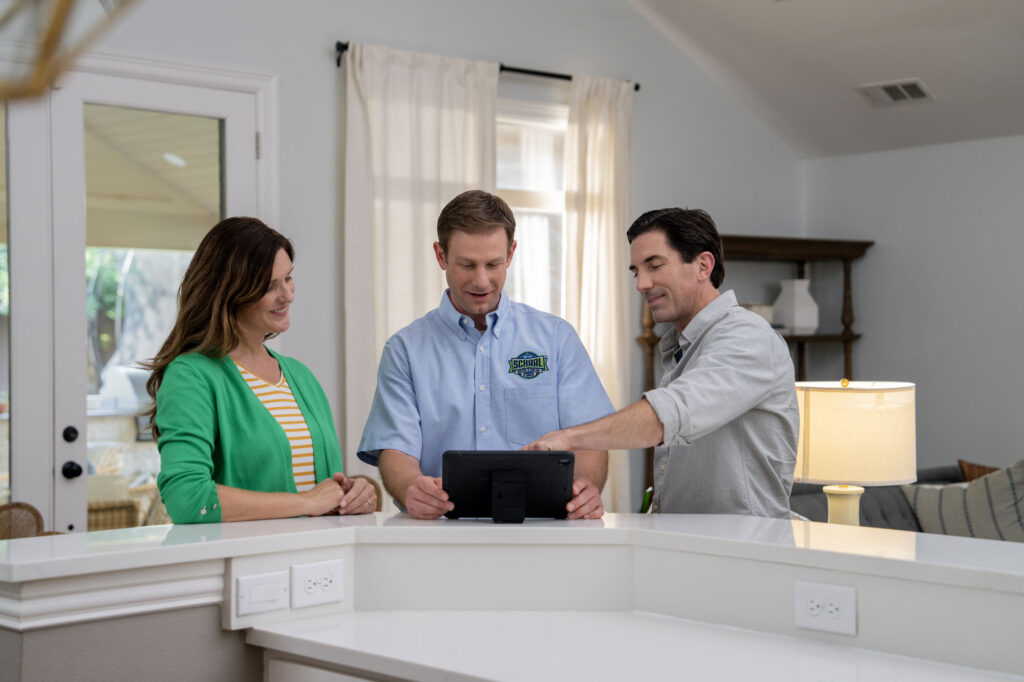
When you schedule professional HVAC service with Schaal, you'll receive a photo and information about your technician before arrival. You can track their trip to your house, too.
Need your furnace or AC checked? Schedule service with Schaal. If you're planning a new system, ask us about an installation assessment and estimate.
Call Schaal Ya'all!
Schedule Online(515) 207-6042Frequently Asked Questions
Look for appropriate licensing where required, insurance, experience with your equipment, clear diagnostic and pricing practices, and written information about warranties or workmanship coverage.
Homeowners can usually handle accessible tasks such as checking thermostat settings, filters, and open vents. Internal electrical, gas, refrigerant, and repeated equipment failures should be evaluated by a qualified technician.
Professional installation includes equipment sizing, airflow and compatibility checks, proper connections, startup testing, and verification that the system operates as intended.