


Water Quality Testing
Expert Water Quality Testing Services in the Des Moines, Iowa Area
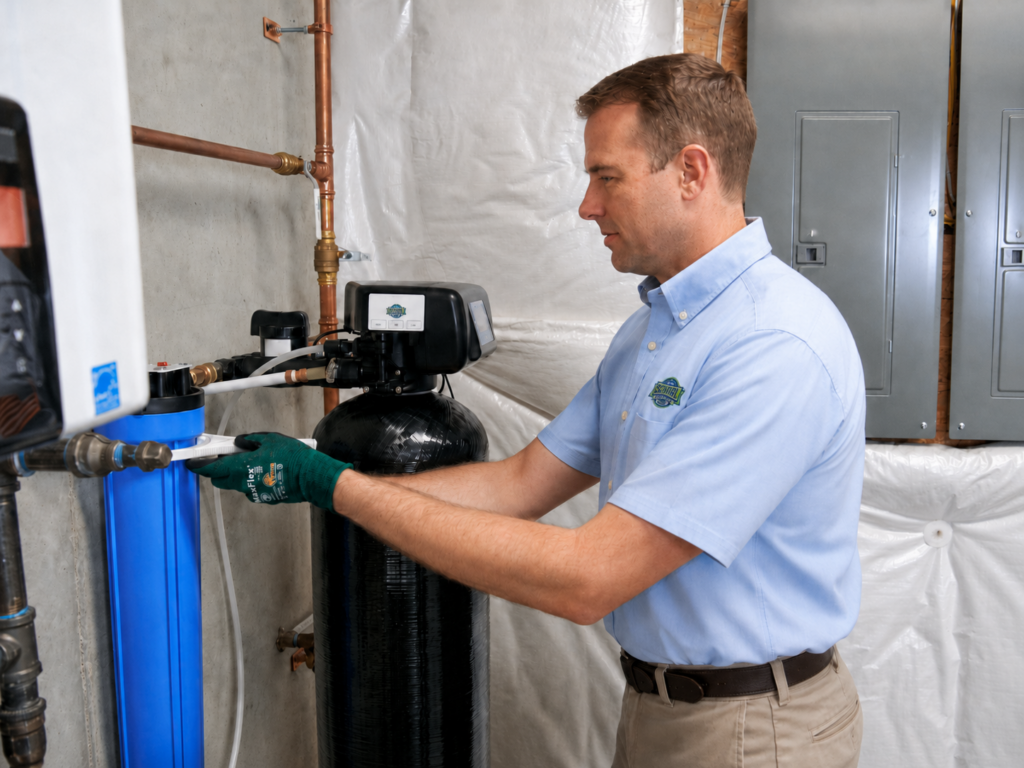
Water problems inside the home are not always obvious at first. You start noticing it in small ways. Mineral buildup collects around faucets, the water looks cloudy, strange smells start coming from the tap, or appliances begin developing scale buildup and sediment problems. Dry skin after showers is also common in many Iowa homes dealing with mineral-heavy water moving through the plumbing system every day.
Water quality testing identifies what is affecting the home’s water supply before choosing filtration or treatment equipment. Schaal Plumbing, Heating, Cooling & Electric provides water quality testing for homeowners across Des Moines, Johnston, Cedar Rapids, and surrounding Iowa communities looking for clearer answers about hard water, sediment, odors, and plumbing-related water concerns.
Professional Water Quality Testing for Your Home
Professional water quality testing identifies issues affecting the home’s water instead of relying on guesswork. Testing can evaluate hardness levels, mineral content, sediment, odor concerns, and other common water quality problems found in Iowa homes.
In many cases, homeowners know something feels off with their water but are unsure what is causing it. Professional testing provides clearer information before investing in filtration equipment or plumbing upgrades.
The results also determine if your home may benefit from water treatment systems designed to address the specific water conditions inside the property.
Signs You May Need Water Quality Testing
Water quality issues create visible warning signs throughout the home.
Common signs include:
- White mineral buildup around faucets
- Dry skin or dry hair after showering
- Cloudy or discolored water
- Metallic or unpleasant tastes
- Strange odors from taps or drains
- Staining around sinks, tubs, or fixtures
- Reduced water flow from plumbing fixtures
Across Des Moines and Cedar Rapids, mineral-heavy water leaves staining around fixtures, crust buildup on faucets, and sediment collecting inside appliances and plumbing equipment.
Those issues may point to hard water or mineral-heavy water conditions that should be professionally evaluated.
Hard Water Testing and Mineral Buildup
Hard water contains elevated mineral levels that leave scale deposits throughout the plumbing system. Iowa homes frequently deal with mineral-heavy water that creates buildup on fixtures, inside pipes, and around appliances.
Hard water testing can identify the severity of mineral content before homeowners invest in equipment upgrades. Testing also helps determine if a water softener system would improve long-term plumbing performance and reduce scale accumulation throughout the home.
Over time, mineral buildup can affect faucets, showerheads, dishwashers, washing machines, and other plumbing fixtures connected to the water supply.
How Water Quality Affects Your Plumbing System
Minerals, sediment, and untreated water conditions place additional strain on plumbing systems. Scale buildup can narrow water lines, reduce fixture performance, and increase wear on connected appliances.
A water heater is especially vulnerable to mineral accumulation because sediment settles at the bottom of the tank during regular operation. That buildup affects heating performance and places extra strain on internal components.
In some homes, untreated water conditions contribute to fixture failures or plumbing repair needs caused by long-term mineral exposure and sediment buildup.
Routine plumbing inspections and preventive maintenance helps homeowners monitor changes in water quality before larger plumbing problems develop.
Water Treatment Recommendations After Testing
Testing results help determine which solutions best match the home’s water conditions and plumbing setup.
Depending on the results, homeowners may benefit from:
- Water softeners
- Whole-home filtration systems
- Sediment filtration
- Carbon filtration systems
- Additional water treatment services
The right equipment depends on the mineral levels, sediment concerns, household water usage, and overall plumbing configuration inside the home.
Professional recommendations help homeowners avoid overspending on unnecessary equipment or installing systems that do not properly address the actual water issue.
Benefits of Professional Water Quality Testing
Professional home water testing provides clearer answers about what is affecting the home’s water supply and plumbing system.
Benefits may include:
- Better tasting water
- Reduced scale buildup
- Improved fixture performance
- Longer appliance lifespan
- Cleaner dishes and laundry
Better confidence in overall water quality Testing also helps homeowners make informed decisions before installing filtration systems or treatment equipment.
Why Choose Schaal for Water Quality Testing in Des Moines and Cedar Rapids
Schaal Plumbing, Heating, Cooling & Electric has served Iowa homeowners for over 80 years with plumbing and home service solutions across Des Moines, Johnston, Cedar Rapids, and surrounding communities.
Our experienced professionals help homeowners evaluate water conditions, identify mineral-related plumbing concerns, and choose solutions that fit the home’s actual needs. We also stand behind our work with strong customer Guarantees and long-standing service throughout Iowa.
From homes near Brucemore and the First Avenue Bridge to neighborhoods around The Grand Building and the downtown baseball fields by the bridge, Schaal Plumbing, Heating, Cooling & Electric continues helping homeowners improve water quality and protect their plumbing systems.
Call Schaal Plumbing, Heating, Cooling & Electric today to schedule professional water quality testing for your Iowa home.
Frequently Asked Questions
Cloudy water, strange odors, mineral buildup, staining, dry skin, and poor water taste are all common signs that testing may be needed.
Testing may evaluate hardness levels, mineral content, sediment, odors, and other water quality concerns affecting the home.
Mineral-heavy water can create scale buildup inside pipes, fixtures, appliances, and water heaters over time.
Testing helps determine the severity of mineral content before selecting equipment or treatment options.
A technician reviews the results and recommends treatment or filtration options based on the home’s water conditions and plumbing setup.